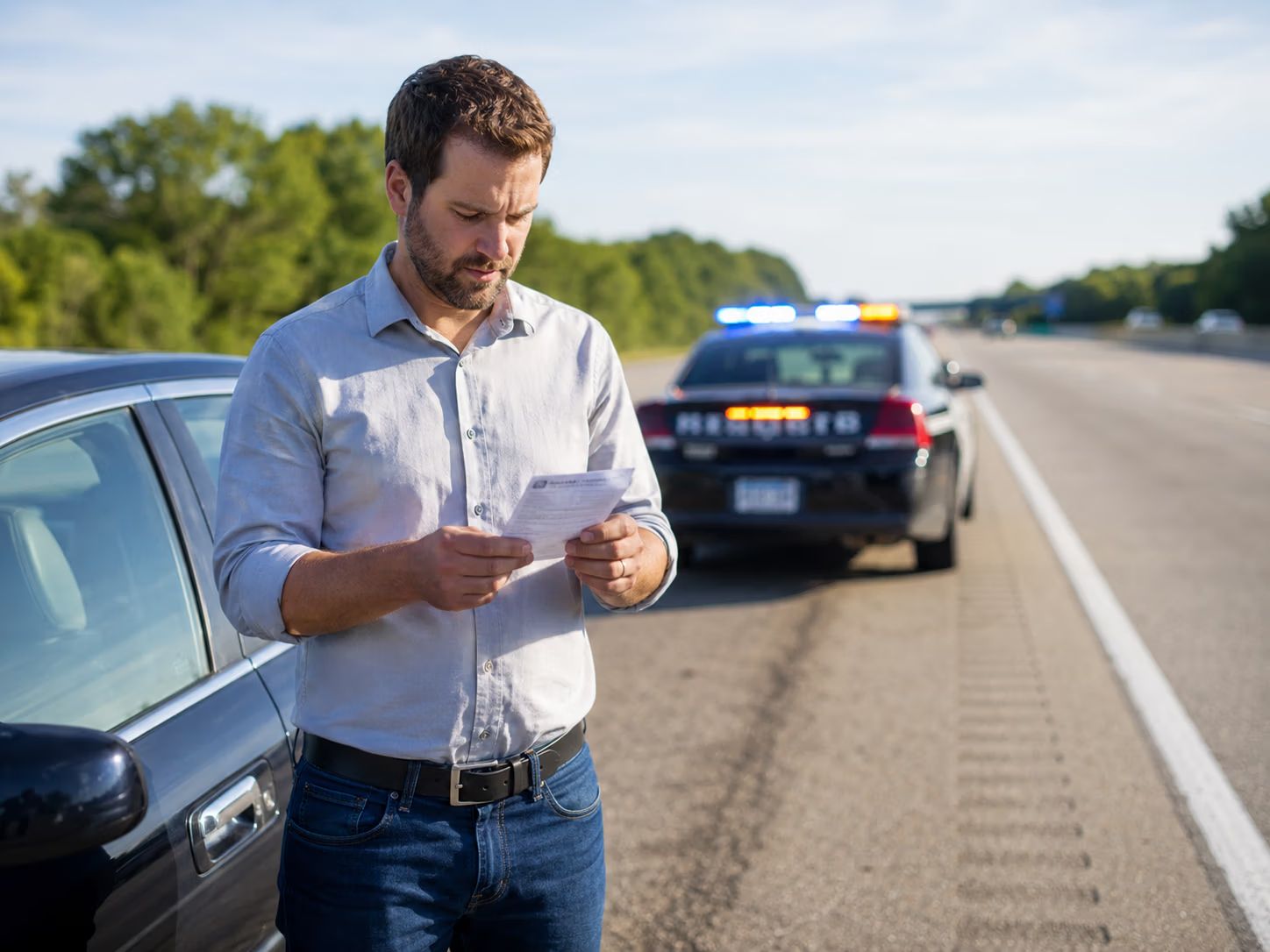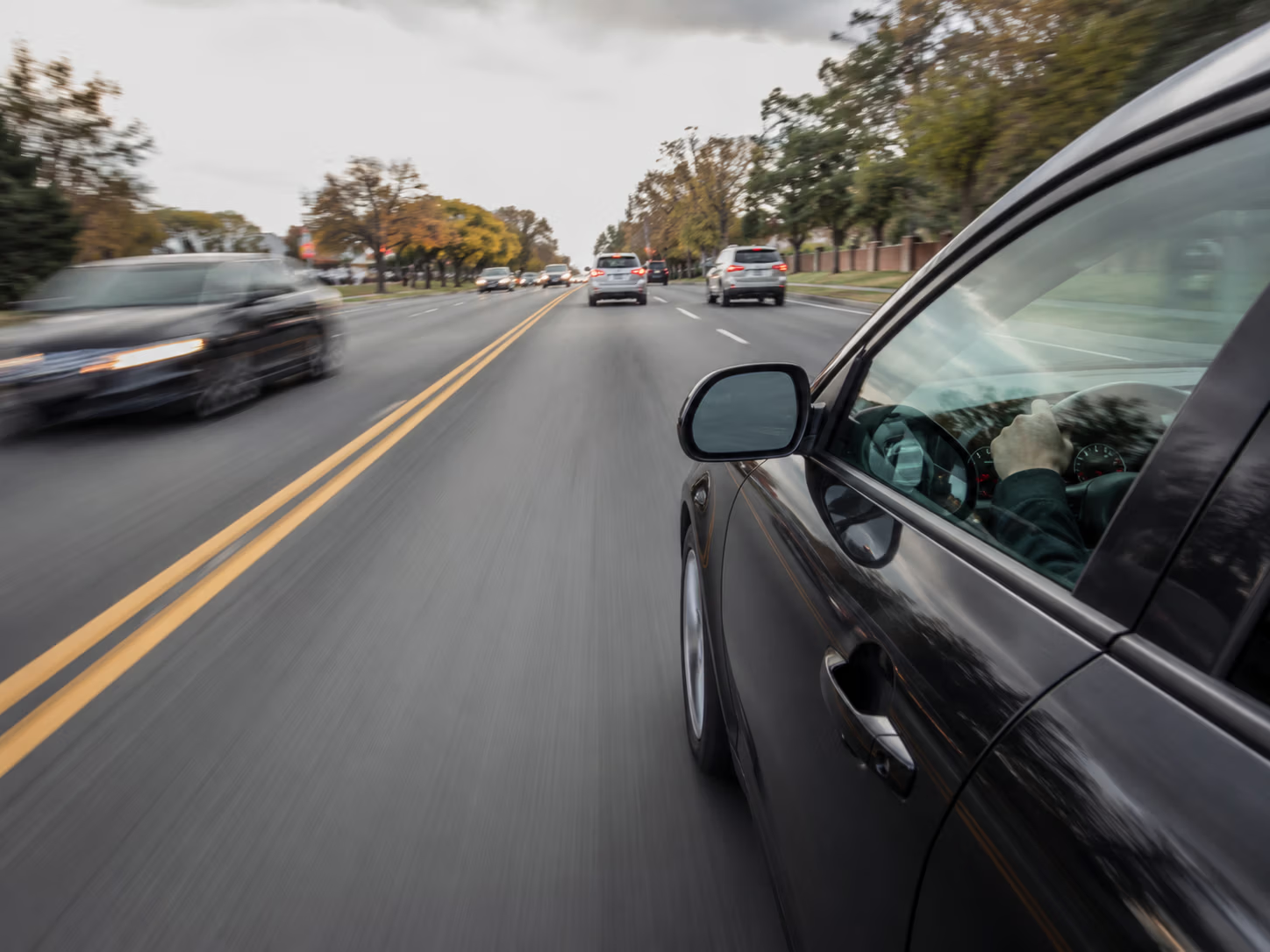
Ask most drivers what reckless driving means, and they will say speed since it's the charge many have received. However, it's one of 14 specific offenses in Virginia's reckless driving law, and several catch drivers who never went over the speed limit. Passing on a hill, skipping a turn signal, or not moving over for a trooper on the shoulder can put the same Class 1 misdemeanor on a summons as driving 90 in a 65.
Keefer Law Firm walks you through every offense in that part of the Code, what each one covers, and the exceptions.
The General Rule Behind Every Reckless Charge
Section 46.2-852 is the catch-all. It makes it reckless driving to drive on any highway recklessly, or at a speed or in a manner that endangers the life, limb, or property of any person, no matter the speed limit.
The sections that follow are specific acts, and most of them do not mention endangering anyone at all. The act itself is the offense. Between the broad rule and these listed acts, you have the full picture of what is considered reckless driving in Virginia, and the code section on your summons tells you which one applies.
Reckless Driving by Speed
Speed is how most reckless charges start, and the Code gives two separate ways to get there. One is purely about the number. The other is about the conditions at the time.
20 Over the Limit or Above 85 MPH
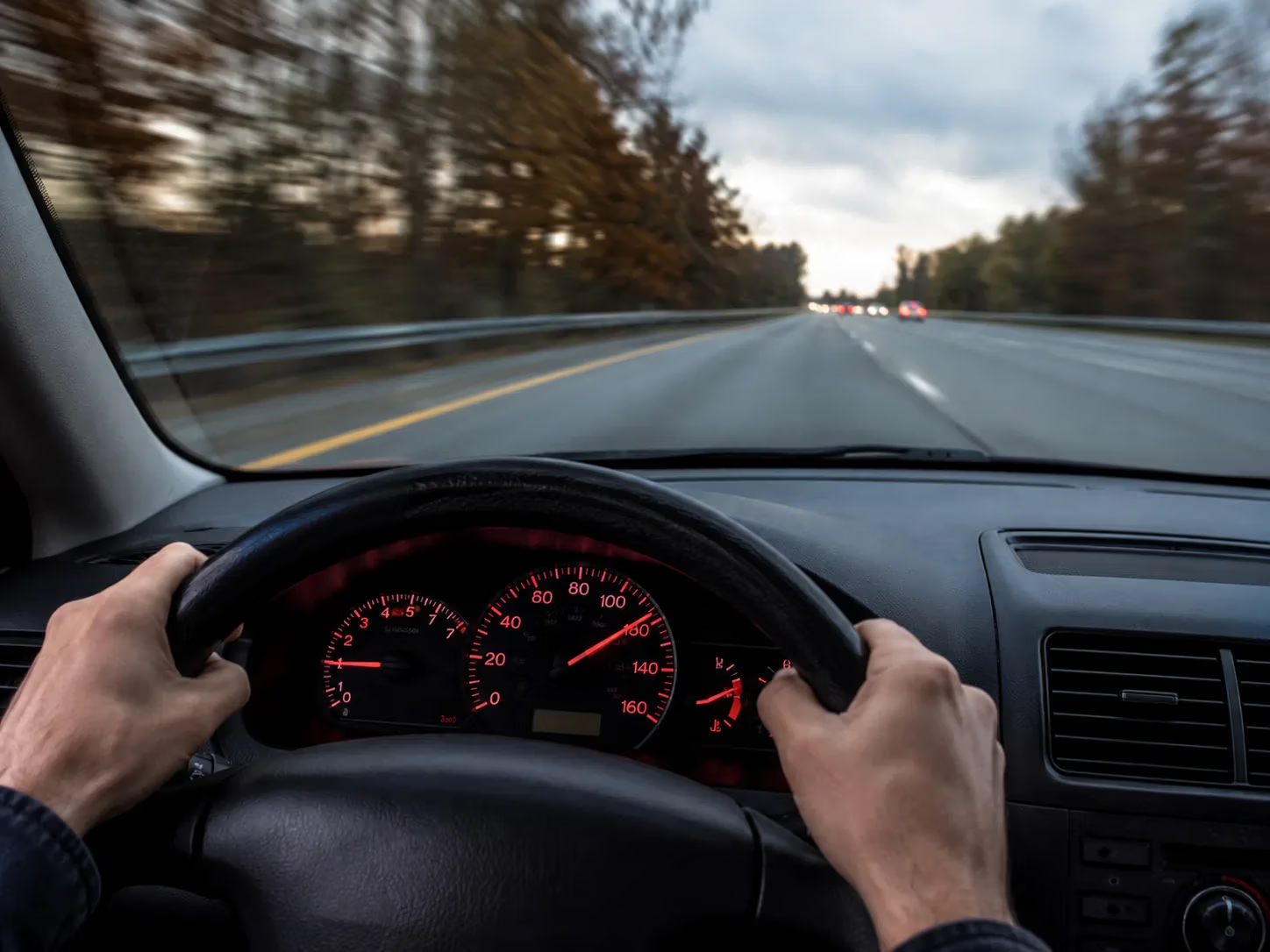
Under 46.2-862, driving 20 miles per hour or more over the posted limit is reckless, and so is anything over 85 regardless of the limit. The wording matters. Exactly 20 over counts, so 75 in a 55 qualifies. On the other side, the speed has to be over 85, which means 86 in a 70 is reckless even though it is only 16 over.
These are numbers only. The road, the weather, and how safe the speed felt do not change whether the charge fits.
Too Fast for Conditions
Section 46.2-861 works the other way. It makes it reckless to drive faster than is reasonable for the conditions and traffic at the time, regardless of the posted limit. You can be under the limit and still be charged.
Fog, ice, heavy rain, or a line of stopped traffic around a bend are typical examples. There is no number to check against, so these cases turn on the facts of that moment.
Passing Offenses
Four reckless driving offenses involve passing. Each one has exceptions tied to the kind of road you were on, and those exceptions often decide whether the section applies at all.
Passing on a Hill or Curve
Under Section 46.2-854, passing a vehicle traveling in your direction is reckless driving if a hill or curve blocks your view of the road ahead. On a two-lane road, a pass puts you in the oncoming lane, and a hilltop or bend can hide approaching traffic.
The question is whether you could see far enough ahead when you started the pass. The law does not apply on roads with two or more lanes in each direction, or on one-way roads, because passing there does not put you in the oncoming lane.
Passing Two Vehicles Abreast
Under 46.2-856, it is reckless to pass, or try to pass, two vehicles traveling side by side in the same direction. Roads with three or more lanes in each direction and one-way streets are excluded. Passing two vehicles when one of them is a bicycle or moped is also excluded.
Passing at a Railroad Crossing or Intersection
Section 46.2-858 makes it reckless to pass another vehicle at a railroad grade crossing or at an intersection of highways. It also covers passing while pedestrians are crossing, or about to cross, in front of either vehicle. Roads with two or more lanes each way, marked passing zones, one-way roads, and passes directed by a traffic light or an officer are excluded.
Passing a Stopped School Bus
Under Section 46.2-859, you have to stop for a school bus that is stopped to pick up or drop off riders, from any direction, and stay stopped until everyone is clear and the bus is moving again. If at least one of the bus's warning devices is on, the law treats that as evidence it was stopped for riders.
The main exception is a divided highway. If the bus is on the other roadway and a physical barrier or unpaved median separates you, you do not have to stop. A painted line or a paved center turn lane is neither, so you stop on those roads.
Vehicle Control and Lane Offenses
These four have nothing to do with speed or passing. They focus on the vehicle's condition and how you use your lane.
Driving Without Proper Control or With Faulty Brakes
Section 46.2-853 covers driving a vehicle that is not under proper control or has inadequate or improperly adjusted brakes. Losing control of a vehicle may lead to a charge under this section even when speed was never part of the stop.
Driving With an Obstructed View
Under 46.2-855, it is reckless to drive a vehicle loaded so heavily, or with so many people in the front seat, that it blocks your view to the front or sides or interferes with your control. A pickup stacked above the cab on moving day or a crowded bench seat is the kind of situation it describes.
Driving Two Abreast in a Single Lane
Section 46.2-857 makes it reckless to drive side by side with another vehicle in a lane meant for one. Two motorcycles riding together in one lane are exempt, as are authorized parades and motorcades, as well as sharing a lane with a bicycle or moped.
Failing to Signal
Under Section 46.2-860, failing to give an adequate and timely signal before turning, slowing down, or stopping is reckless driving. Most people think of a missed blinker as a minor ticket. In Virginia, it sits in the same article as everything else on this page.
Yielding and Stopped Vehicle Offenses
These two get confused with ordinary traffic tickets, partly because related sections of the code cover similar situations as infractions. The details decide which one you are facing.
Failing to Yield When Entering a Highway
Section 46.2-863 covers pulling onto a highway from a side road. If there is no yield sign, you must stop before entering if traffic on the highway is within 500 feet. Where a yield sign is posted, you have to yield to traffic coming from either direction. Pulling out in front of approaching traffic in either case can be charged as reckless.
Not Moving Over for a Stopped Emergency Vehicle
Virginia's Move Over law, 46.2-861.1, applies when you approach a stopped vehicle showing flashing blue or red lights, or certain amber lights, such as a police car or ambulance on the shoulder. On a highway with at least four lanes, two in your direction, you must move into a lane that is not next to it when it is safe. If you cannot, you have to slow down and pass with caution. Failing to do either is reckless driving.
The same section treats a stopped vehicle with only hazard flashers, caution signs, or flares differently. Failure to move over for those is a traffic infraction, not reckless driving. The rule also does not apply inside highway work zones.
Offenses Off the Open Highway
A reckless charge is not limited to public roads. Two sections reach places most drivers would not expect.
Reckless Driving in Parking Lots
Section 46.2-864 applies the same endangering standard to the driveways and grounds of churches, schools, recreational facilities, and businesses or government property open to the public. It also covers industrial lots for customers or employees and highways that are under construction or not yet open. A shopping center lot counts.
Racing and Exhibition Driving
Section 46.2-865 covers racing two or more vehicles on a highway or on a church, school, recreational, or business lot open to the public. It also covers what the law calls exhibition driving near a group of two or more people: burnouts, spinning or zigzagging, drag racing, and carrying someone on the hood or roof.
The license consequences are heavier than for most reckless charges. A racing conviction brings a suspension of six months to two years, or the court may order the Intelligent Speed Assistance Program for that same range. An exhibition driving conviction brings a suspension of up to six months. Under Section 46.2-867, a vehicle raced in a prearranged, organized race is seized and forfeited when its owner is convicted of that race or rode along and knowingly agreed to it. Under Section 46.2-867.1, a vehicle driven by someone arrested for exhibition driving is impounded or immobilized for 20 days.
What a Reckless Conviction Can Mean
Every offense on this list is a Class 1 misdemeanor under 46.2-868, which makes it a criminal charge rather than a traffic infraction. The penalty for reckless driving in Virginia can include fines, jail time, a license suspension, and demerit points. It is also why you cannot prepay a reckless driving ticket in Virginia the way you would a regular speeding ticket.
FAQs About Reckless Driving Offenses
Most people learn these sections exist from the summons itself, usually from a code number they have never seen before. These are the questions that come up once they look it up.
Is Running a Red Light Reckless Driving in Virginia?
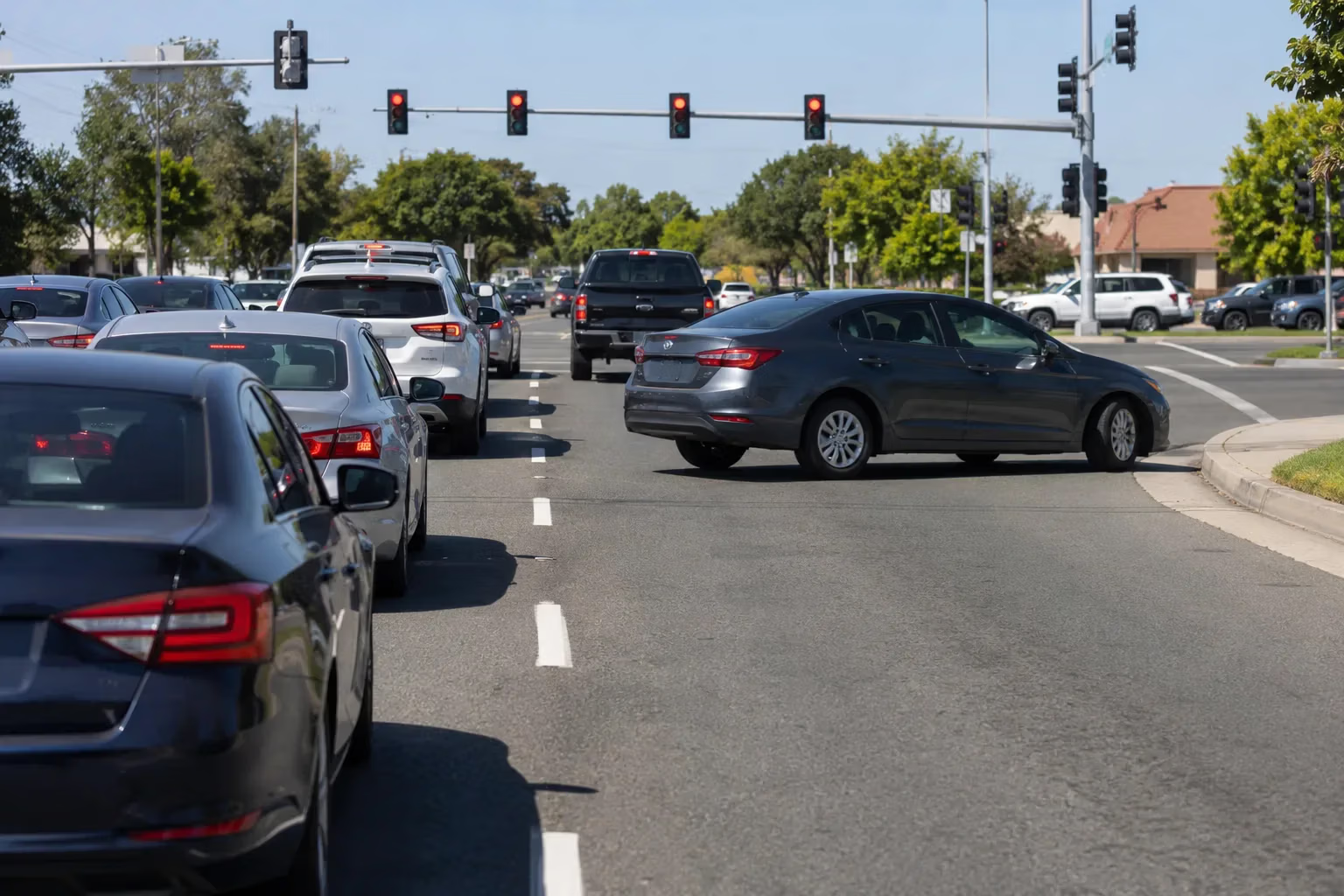
No, not on its own. Running a red light or stop sign is not one of the listed reckless driving offenses. It can still lead to a reckless charge under the general rule in Section 46.2-852 if it endangered someone.
Can a Reckless Charge Be Reduced?
Yes. Under Section 46.2-869, the court can find you guilty of improper driving instead when the fault is slight, and the prosecutor can reduce the charge before the court rules. Improper driving is a traffic infraction with a maximum fine of $500.
How Do I Know Which Offense I Was Charged With?
Check the code section on your summons, such as 46.2-862 for speed or 46.2-859 for a school bus. Keep your court date, because ignoring a reckless driving ticket in Virginia can result in a conviction entered without you and a warrant for your arrest.
Talk to Keefer Law Firm About Your Summons
Attorney Bob Keefer has practiced law in the Shenandoah Valley since graduating from William & Mary Law School in 1983, and since 2003 his practice has focused exclusively on traffic offenses. If your summons lists any of the sections above, having a VA reckless driving lawyer look at it before your court date gives you time to understand the charge and your options.
Call the Harrisonburg office at (540) 433-6906 or the Woodstock office at (540) 237-1737 for a free case evaluation.