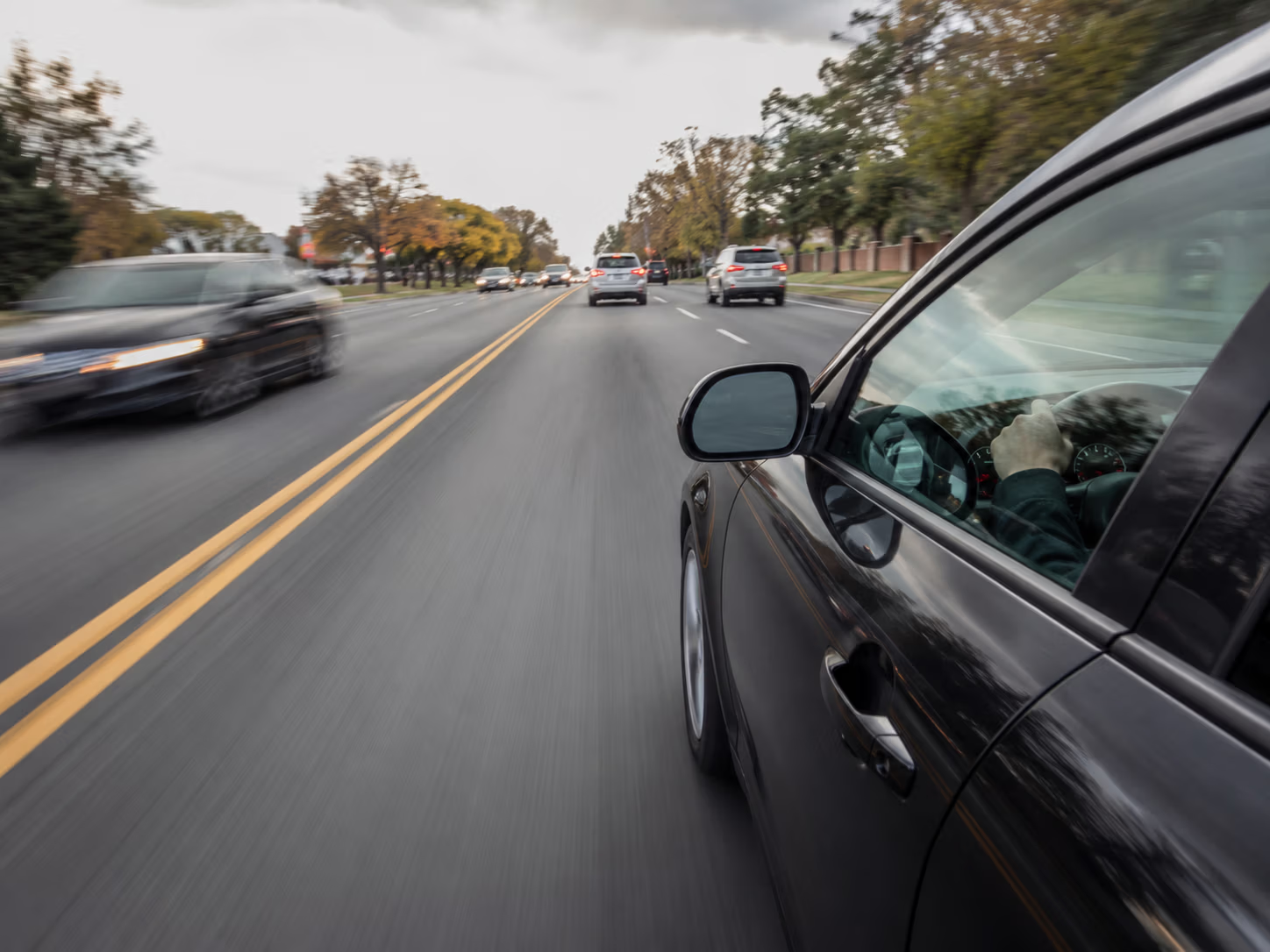
Dash cams are widely used by Virginia drivers to capture road conditions, protect against insurance fraud, and provide legal evidence. While legal in many cases, dash cam use can still lead to criminal or civil charges if laws surrounding installation, audio recording, or footage sharing are violated.
At Keefer Law Firm, we regularly assist clients in navigating the legal implications of dash cam use that falls into gray areas of Virginia law. If you’ve been charged for any issue related to dash cam use, such as improper mounting, unlawful recording, or privacy invasion, understanding how to respond is critical.

Dash Cam Laws in Virginia
Virginia dash cam laws permit drivers to install dashboard cameras, provided they comply with all applicable state laws and federal regulations. One primary concern is windshield mounting. Dash cams cannot obstruct the driver’s view or compromise visibility. Mounting the device in the “clear zone” of the windshield may result in citations under Virginia’s traffic code.
Another core legal issue involves the use of audio recordings. Virginia is a one-party consent state. This means that a driver can legally record a conversation inside the vehicle if they are a participant in the conversation.
Secretly recording passengers or sharing audio publicly without their consent can lead to charges involving privacy violations, especially if law enforcement gets involved.
Windshield Obstruction Violations
Virginia law prohibits any device that disrupts a driver’s view, including items on the dashboard or mounted on the windshield. If your dash cam is mounted too high, law enforcement may argue that it obstructed your line of sight or contributed to the cause of a car accident.
After a citation or charge, take photographs showing the dashboard camera’s position from the driver’s seat. Provide any installation instructions or receipts. We can help demonstrate that the device did not violate Virginia regulations or cause distracted driving.
Audio Recording Without Consent

Secretly recording audio in a vehicle, especially in commercial settings, could result in claims of violating privacy laws. Even in a single-party consent state like Virginia, issues arise when dash cams capture audio recordings of unaware passengers or bystanders in public spaces or on private property.
If charged, preserve the dash cam footage in its original format. Let your attorney know if signage was posted or if passengers gave implied consent. Whether in a fleet management context or a personal vehicle, your defense may depend on whether there was a legitimate legal issue or a misunderstanding of state laws.
Improper Sharing or Use of Footage
Drivers may face allegations if dash cam footage is improperly shared, especially on social media or with insurance companies. Uploading video footage that shows individuals on private property, minors, or civilian activity without redaction may trigger accusations of misuse or unauthorized surveillance.
To protect yourself, create a timeline of when and how you shared the video recording. Refrain from deleting any files. Let us review the footage recording, including any metadata, timestamps, or GPS coordinates. We can evaluate whether state laws were violated or if the footage was submitted for a valid claim or accident dispute.
Recordings on Private Property
Capturing footage from a dashboard-mounted camera on private property can result in charges of unlawful surveillance. For instance, footage recorded in residential driveways, gated communities, or commercial fleet operations may be flagged if a person’s privacy laws are violated, even unintentionally.
If charged, determine whether the dashboard camera recorded from a public space or a restricted area. Review whether the device was pointed into someone’s home or other protected space. Keefer Law Firm may be able to argue that the dash cam was used within legal bounds, especially if no trespassing occurred and the camera was not used in surveillance mode.
Violations in Commercial or Fleet Vehicles
Commercial drivers using dashboard cameras in rideshare, delivery, or company-owned vehicles often operate under additional federal laws, company policies, or fleet management standards. Failing to notify vehicle occupants about video recording or audio recording can lead to charges involving workplace surveillance and employee consent.
If you were cited while operating a commercial vehicle, collect evidence such as signage, company policies, or vehicle information displays that explain the presence of the camera placement. We can help determine if your employer bears liability or if your actions complied with both Virginia dash cam laws and federal regulations.
How Can Dash Cam Footage Strengthen Your Defense?
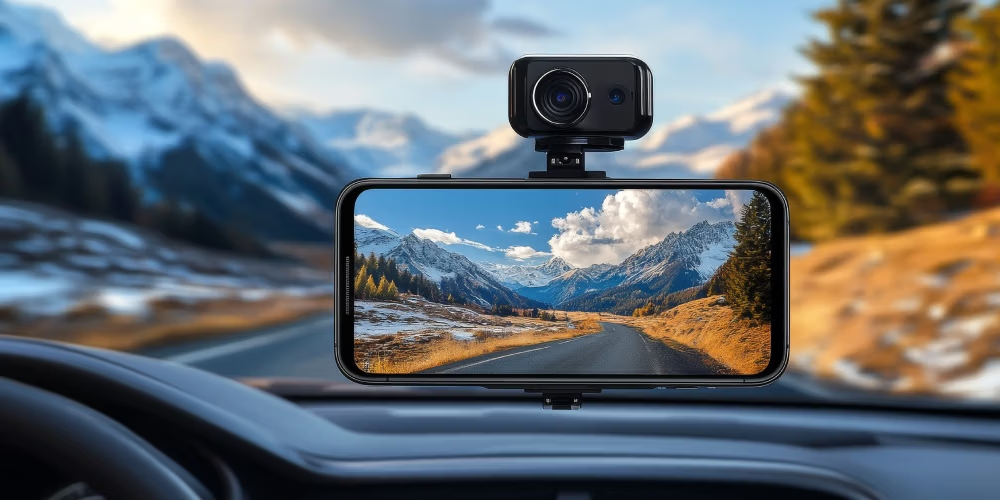
In many cases, the video footage from your dashboard camera can become the strongest piece of evidence in your favor. It presents clear, objective, and irrefutable evidence, making it difficult for others to alter facts or provide biased accounts of the event.
It may prove you didn’t cause the accident, didn’t obstruct the driver’s view, or didn’t violate consent laws. This footage can even counteract accusations or assist in a broader traffic violation or personal injury case.
Always keep original recordings, especially if they include timestamped metadata or navigation info. Do not edit or alter files. We can help present this evidence appropriately in your traffic case.
Working with Legal Counsel on Dash Cam Charges
Legal representation is essential after being charged for improper dash cam use in Virginia. These charges often fall into gray areas involving consent, visibility, and privacy, areas that require careful legal interpretation. Whether your case involves a minor traffic citation or a more serious surveillance charge, early involvement of an experienced attorney can significantly improve the outcome.
Attorney Bob Keefer will assess the circumstances of the charge, analyze relevant footage, and advise you on how to respond to investigators, prosecutors, or insurers. In many situations, he can push to have the charges reduced or dismissed by demonstrating compliance with the law or by pointing out flaws in the state’s case. Taking proactive legal steps is always a good course of action.
Protect Your Rights with Legal Support from Keefer Law
Whether you’re dealing with accusations of windshield obstruction, illegal audio recording, or improper use of dash cam footage, Keefer Law Firm is ready to defend your rights. With over 40 years of experience in Virginia traffic laws, we’re equipped to guide you through any dash cam-related charge.
Attorney Bob Keefer evaluates everything from camera installation and visibility to video surveillance systems and law enforcement policies. We use your footage strategically, whether you’re challenging a police citation or addressing concerns raised by insurance adjusters or opposing counsel.
Don’t wait to respond to a dash cam-related charge. Contact Keefer Law Firm today to schedule your consultation and begin building a solid defense.